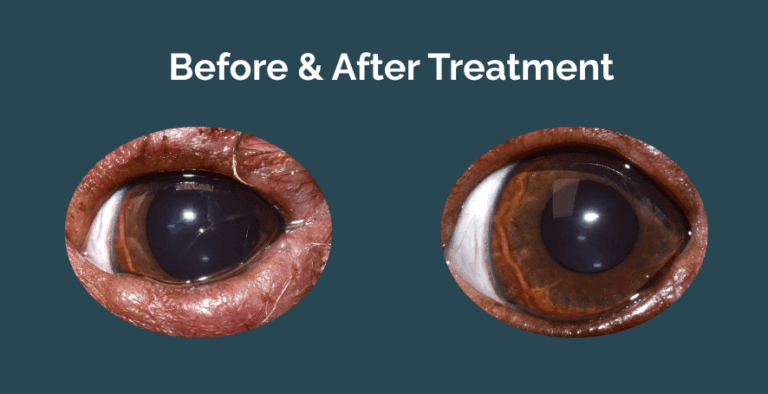
Blepharitis is inflammation of the eyelids. It can affect one or both eyes and may involve the skin, the eyelid margin, and/or the meibomian glands that produce part of the tear film. Blepharitis is often uncomfortable and may cause long-term eye problems if left untreated.
Excessive tearing or discharge (clear, yellow, or green)
Conjunctival redness/inflammation with or without corneal ulcers
Loss of fur around the eyes
Squinting or sensitivity to light
What Causes Blepharitis?
Blepharitis has many possible causes, including:
Allergies (environmental, food, insect bites)
Infections (bacterial, fungal, parasitic)
Immune-mediated diseases (where the body’s immune system attacks the eyelids)
Congenital or anatomical issues (such as abnormal eyelid structure or poor tear quality)
Tumors or growths affecting the eyelid
How is Blepharitis Diagnosed and Treated?
Our veterinary ophthalmologists may recommend one of the following to diagnose your pet:
A thorough eye and eyelid exam
Cytology (looking at cells under a microscope)
Culture to identify infections
Allergy testing or bloodwork
Biopsy (in some cases)
Treatment depends on the underlying cause and may include:
Topical medications (antibiotic and anti-inflammatory eye drops/ointments)
Oral medications (antibiotics, anti-inflammatories, or immune-modulating drugs)
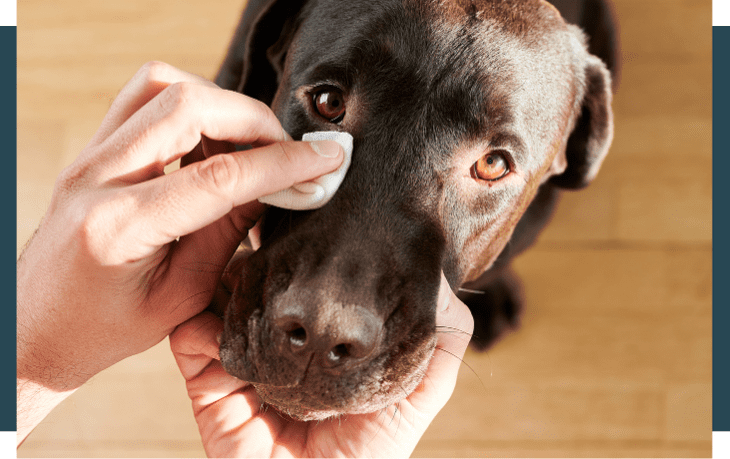
Warm compresses to loosen crusts, reduce inflammation, and improve comfort
Eyelid cleaning with veterinarian-recommended wipes or solutions
Treatment of underlying conditions (allergies, systemic disease, etc.)
Home Care Tips
Give all medications exactly as prescribed, even when the eyes and eyelids start looking better.
Keep the eye area clean—ask our team for safe cleaning techniques.
Prevent scratching by using an Elizabethan collar if needed.
Watch for worsening redness, swelling, discharge, or squinting, and contact us right away if these occur.
What’s the Prognosis?
With appropriate treatment and monitoring, many pets improve significantly. However, some causes of blepharitis are chronic and may require long-term management and/or additional diagnostic testing.