Understanding Conjunctivitis in Pets

What is Conjunctivitis?

Conjunctivitis means inflammation of the conjunctiva—the thin, red tissue that lines the inside of the eyelids and covers the white part of the eye. Conjunctivitis itself is not typically a specific disease, but usually a sign of an underlying problem.

Contact the location nearest you today to request a make an appointment for treatment at Animal Eye Care.

Common Signs Include:

  • Red or “pink” eyes
  • Swelling of the tissue around the eyes
  • Clear, yellow, or green eye discharge
  • Squinting or rubbing at the eyes
  • Sensitivity to light
  • Eyelids sticking together after sleeping

What Can Cause It?

Conjunctivitis can develop from many different conditions, such as:

  • Allergies (pollen, dust, food, insect bites)
  • Infections (bacterial, viral, or fungal)
  • Irritants (smoke, dust, shampoo, foreign material)
  • Dry eye disease
  • Blocked tear ducts
  • Systemic disease (immune-mediated conditions, feline herpesvirus in cats, etc.)

How is Conjunctivitis Diagnosed and Treated?

To determine the cause, our veterinary ophthalmologists may recommend:

  • Eye exam
  • Tear testing (to check tear production and quality)
  • Fluorescein stain (to check for scratches/ulcers)
  • Cytology (examining cells under a microscope)
  • Culture or PCR testing (for infectious causes)
  • Bloodwork or allergy testing in chronic cases

Treatment depends on the underlying cause and may include:

  • Topical medications (antibiotic, antiviral, or anti-inflammatory drops/ointments)
  • Oral medications (antibiotics, anti-inflammatories, or antivirals)
  • Allergy management (antihistamines, steroids, immunotherapy)
  • Tear duct flushing
  • Artificial tears for lubrication
  • Environmental management (reducing exposure to irritants or known allergens)

Home Care Tips

  • Give all medications exactly as prescribed—don’t stop early.
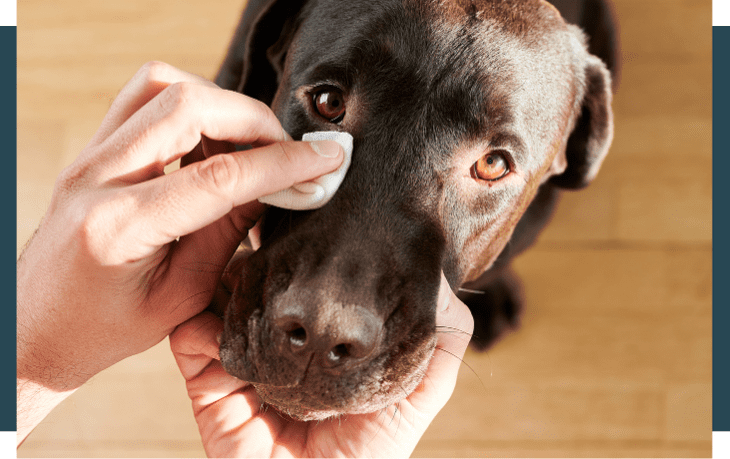
  • Gently clean away discharge with warm water and soft gauze or tissues.
  • Prevent rubbing or scratching—an Elizabethan collar may be needed.
  • Contact us right away if your pet’s eye becomes suddenly painful (squinting), cloudy, or if vision seems affected.

What’s the Prognosis?

Most pets respond well to treatment, especially if the cause is identified early. Some pets, especially those with allergies or chronic conditions, may need ongoing treatment trials and management.

Download our printable brochure: HERE