
Corneal Endothelial Degeneration In Dogs: Understanding Why Your Pet’s Eye Looks Cloudy
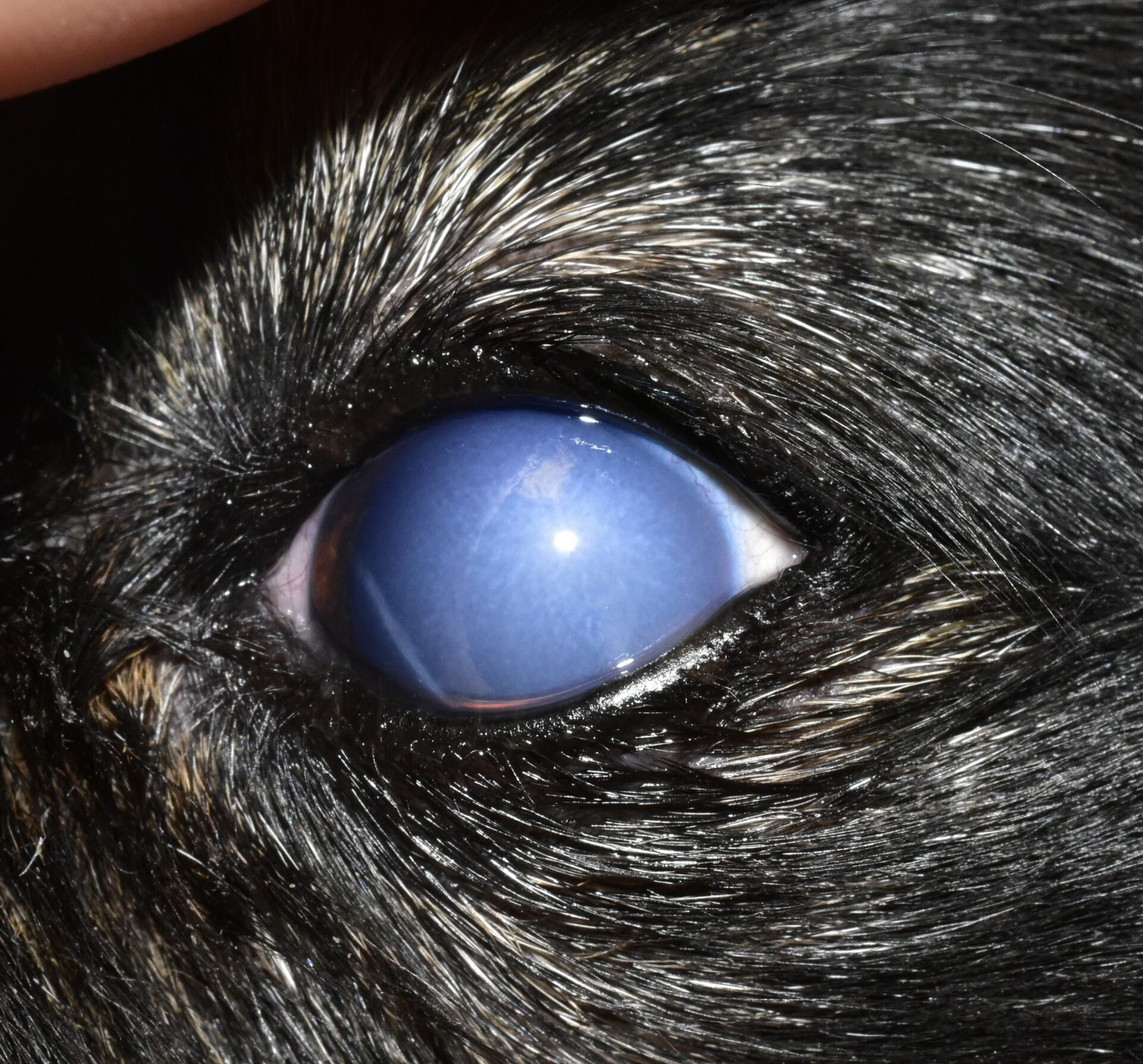
What Is Corneal Endothelial Degeneration (CED)?
The cornea is the clear “window” at the front of your pet’s eye. The innermost layer of the cornea is made up of specialized cells called endothelial cells. These cells continuously pump excess fluid out of the cornea to keep it clear.
With corneal endothelial degeneration, these cells gradually stop working and cannot regenerate. As more cells are lost, fluid builds up within the cornea, causing it to become cloudy or blue in appearance.
Contact the location nearest you today to request a make an appointment for treatment at Animal Eye Care.
Causes of Corneal Endothelial Degeneration:
Corneal endothelial degeneration is most commonly:
- An age-related condition
- Seen more frequently in middle-aged to older dogs
- Intraocular inflammation may increase risk
Signs You May Notice In Your Pet:
Your pet may develop:
- A progressive blue, gray, or cloudy appearance to one or both eyes
- Squinting or excessive blinking
- Tearing
- Eye redness
- Sensitivity to light
- Vision changes in advanced cases
If painful corneal ulcers develop, your pet may keep the eye closed or rub at the face.
Breeds That May Be Predisposed Include:
Some breeds that may be predisposed include:
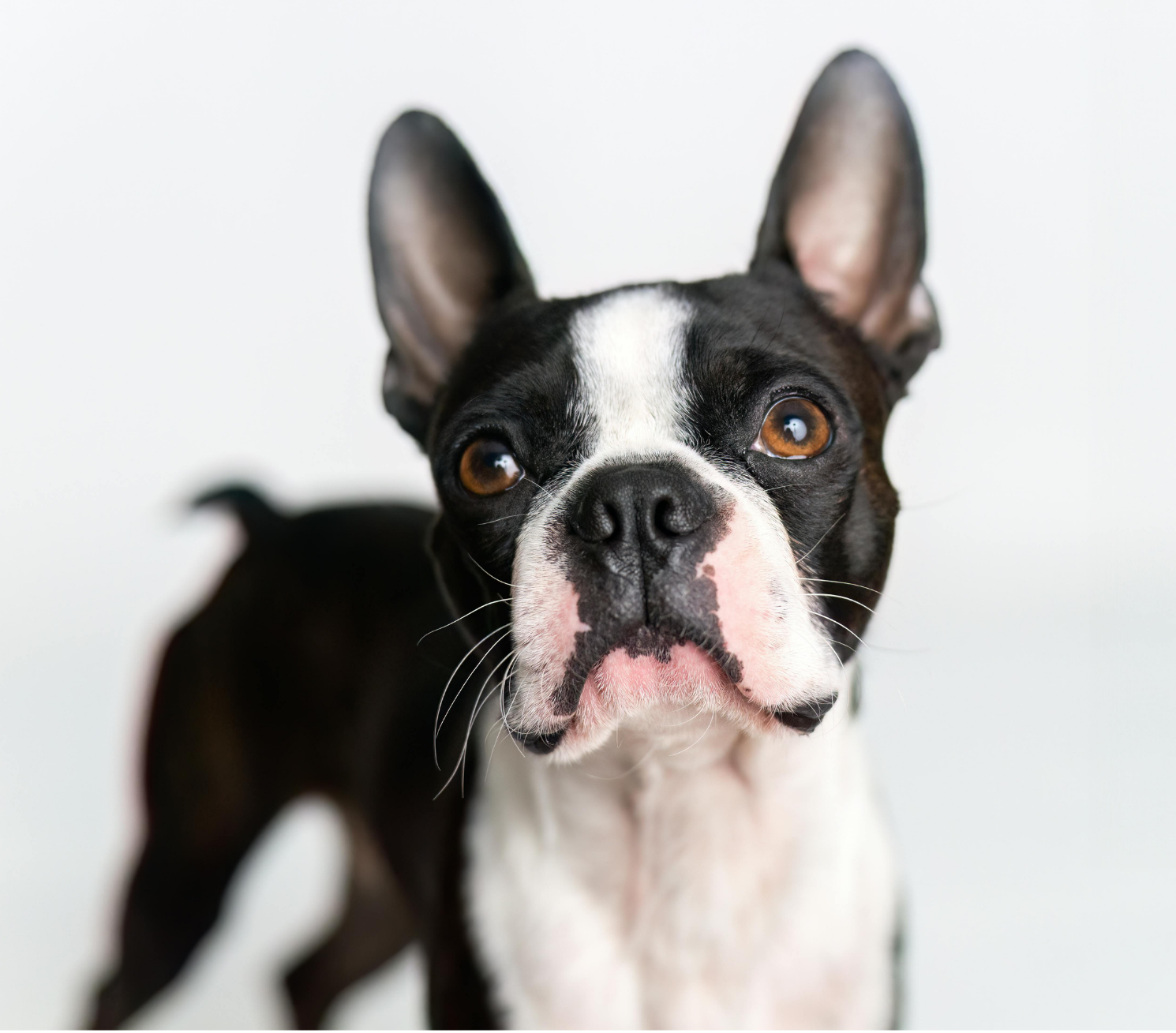
- Boston Terriers
- Dachshunds
- Chihuahuas
- German Shorthaired Pointers
- Other breeds may also be affected
Diagnosing Corneal Endothelial Degeneration
A veterinary ophthalmologist performs a complete eye examination, which may include:
- Slit-lamp examination
- Fluorescein stain to check for ulcers
- Measurement of eye pressure (tonometry)
- Evaluation of the corneal endothelium and surrounding eye structures
This examination also helps rule out other causes of corneal cloudiness.
Treatment Options
Treatment depends on the severity of the disease and your pet’s comfort. Early in the disease, many dogs are comfortable despite the cloudy appearance and vision decline. As the disease progresses, swelling of the cornea (corneal edema) can lead to painful blisters on the surface of the eye. If these blisters rupture, they can create corneal ulcers, which are painful and require prompt treatment.
Medical therapy may include:
- Hypertonic saline (5% sodium chloride) eye drops or ointment to reduce corneal edema
- Lubricating eye drops
- Antibiotic and/or pain medications if an ulcer develops
In some patients with advanced disease, surgical procedures may be recommended to improve comfort.
Your veterinary ophthalmologist will discuss the best options for your pet.
What Is The Long-Term Outlook?
Corneal endothelial degeneration is a slowly progressive condition. Unfortunately, the inner layer of endothelial cells cannot regenerate, so there is no cure for corneal endothelial degeneration. However, treatment can help reduce corneal swelling, improve comfort, and preserve vision for as long as possible.
Many dogs maintain useful vision for months to years with appropriate monitoring and treatment. Regular rechecks allow us to monitor progression, adjust medications, and treat complications early if they occur.
How Can I Help My Pet?
- Administer medications as prescribed
- Prevent rubbing of the eyes by using an Elizabethan collar if recommended
- Schedule recommended recheck appointments
- Contact us promptly if you notice any changes in your pet’s eyes or comfort
We Are Here To Help!
If you have questions about your pet’s eye health or notice changes, please contact our team. Early evaluation and ongoing care can help keep your pet comfortable and protect their vision whenever possible.
Contact the location nearest you today to request a make an appointment for treatment at Animal Eye Care.
Download our printable brochure: HERE